
How to Make Coffee the Right Way – No More Bitter Brews

Introduction: Why Learning How to Make Coffee at Home Is a Game-Changer
The journey to a great cup of coffee starts with choosing the right beans. If you’re learning how to make coffee, this is the first and most crucial step—because no matter how fancy your equipment is, low-quality beans will never make a great cup. The beans are the soul of your coffee—everything else just supports them.
So what should you look for? Start with freshness. Always check the roast date on the bag (not the expiry date!). Coffee is best consumed within a few weeks of roasting. Next, pay attention to the type and origin of the beans. Specialty-grade beans—often labeled as single-origin or from artisan roasters—come from specific regions and carry distinct flavor profiles influenced by climate, altitude, and soil. Beans from Ethiopia might have bright, fruity notes; while those from Brazil may taste nutty and chocolatey. Learning about these origins is a fun part of discovering how to make coffee you’ll love.
Understanding Coffee Beans: The First Step to Make Coffee
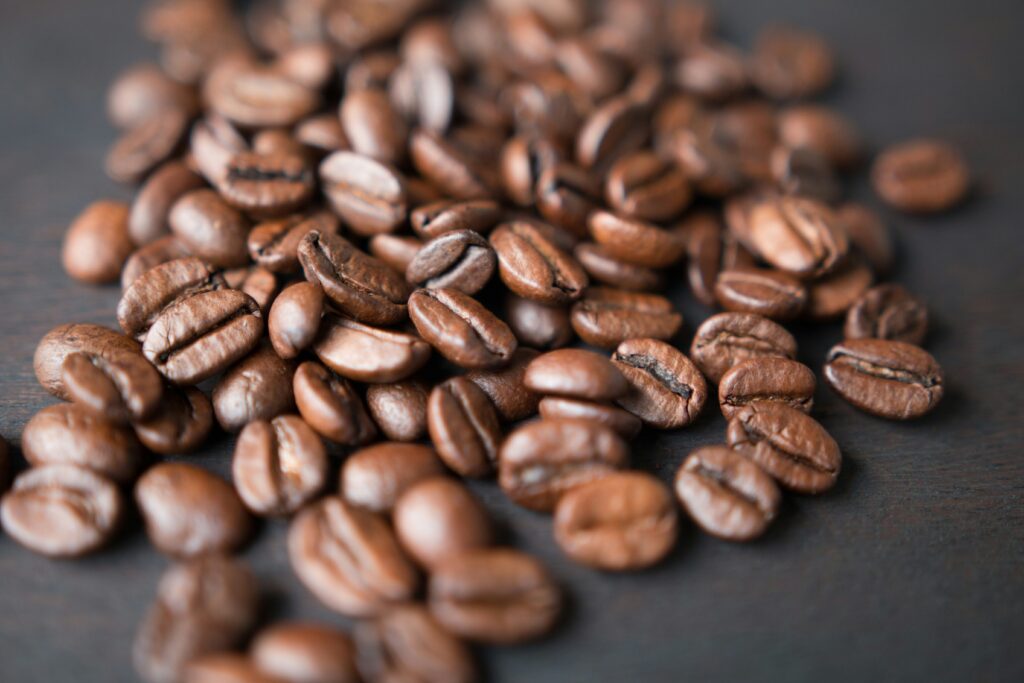
The journey to a great cup of coffee starts with choosing the right beans. This is crucial because no matter how fancy your equipment is, low-quality beans will never make a great cup. The quality, origin, and freshness of your beans all contribute significantly to the taste and aroma of your brew. Think of coffee beans as the foundation of your drink—if the base isn’t strong, no brewing technique can save it. Great coffee begins at the farm, and understanding where your beans come from helps you appreciate the effort behind each cup. Beans grown at high altitudes in rich volcanic soil often yield more complex flavors, while the processing method—washed, natural, or honey—adds another layer of nuance.
Types of Coffee Beans
- Arabica – Known for its sweet, complex flavors and lower caffeine content. Most specialty coffee shops use Arabica.
- Robusta – Stronger, more bitter, and higher in caffeine. Often used in instant coffee and budget blends.
- Liberica and Excelsa – Rare and used mostly in niche markets for their unique flavor profiles.
Roast Levels
- Light Roast: Higher acidity and more nuanced flavors like citrus and floral notes.
- Medium Roast: Balanced flavor and aroma. Ideal for most brewing methods.
- Dark Roast: Smoky, bitter, and bold. Great for espresso and milk-based drinks.
Pro Tip: Always go for freshly roasted beans. Check the roast date on the package—not the expiry date.
Whole Beans vs. Pre-ground
Whole beans stay fresh longer and allow for custom grind sizes based on your brewing method. If possible, invest in a burr grinder.
Equipment You Need to Make Coffee at Home
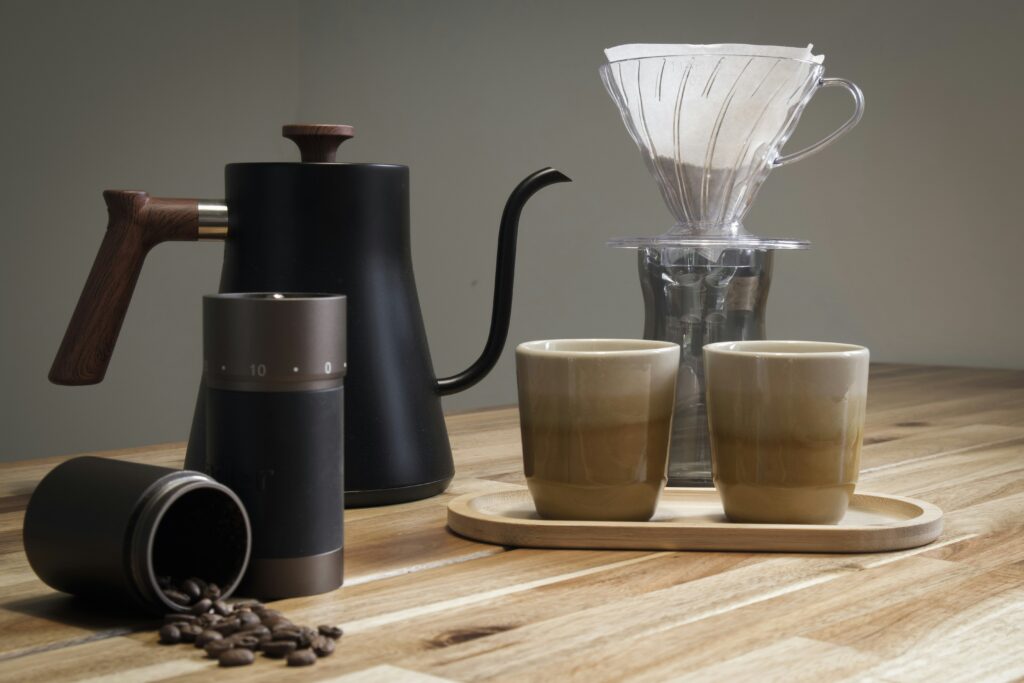
While you can absolutely start with basic tools—and many people do—having the right equipment can elevate your coffee from “good enough” to “wow, I made this?” It’s the difference between a cup that just gets the job done and one that delivers a full sensory experience: rich aroma, balanced flavor, and perfect temperature. Think of your equipment as your toolkit.
Essentials:
- Coffee beans (or ground coffee)
- Kettle (preferably with a gooseneck spout)
- Grinder (manual or electric)
- Filter (paper or metal, depending on the method)
- Mug or cup
Nice-to-Have:
- Coffee scale
- French Press, Pour Over, AeroPress, or Espresso machine
- Thermometer
- Milk frother (for lattes and cappuccinos)
Don’t worry if you’re just starting. You can make amazing coffee even with basic tools as long as your technique is good.
How to Make Coffee Using Different Brewing Methods
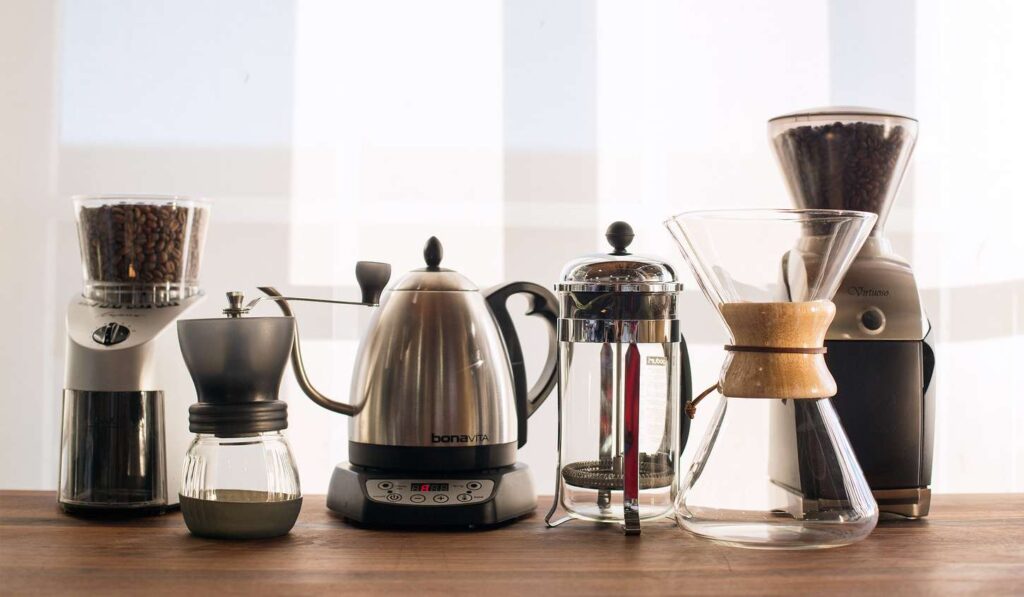
There’s no one-size-fits-all answer when it comes to how to make coffee—because the “best” method is really the one that fits your personal taste, lifestyle, and daily rhythm.
French Press (Immersion Method)
- Coarse grind your coffee.
- Use a 1:15 ratio (e.g., 20g coffee to 300ml water).
- Pour hot water over the grounds and stir.
- Let it steep for 4 minutes.
- Slowly press down the plunger.
Taste Profile: Full-bodied and rich.
Pour Over (Drip Method)
- Place a paper filter in your dripper and rinse with hot water.
- Use a medium grind and a 1:16 ratio.
- Add grounds, bloom with a bit of hot water for 30 seconds.
- Slowly pour the rest of the water in a spiral motion.
- Total brew time: 2.5 to 4 minutes.
Taste Profile: Clean and vibrant.
AeroPress
- Use fine grind and 14g coffee.
- Add hot water, stir for 10 seconds.
- Insert the plunger and press slowly.
Taste Profile: Smooth, strong, and quick.
Moka Pot (Stovetop Espresso)
- Fill the bottom with water and the filter with fine coffee.
- Assemble and place on stovetop.
- Remove once it starts to gurgle.
Taste Profile: Bold and concentrated.
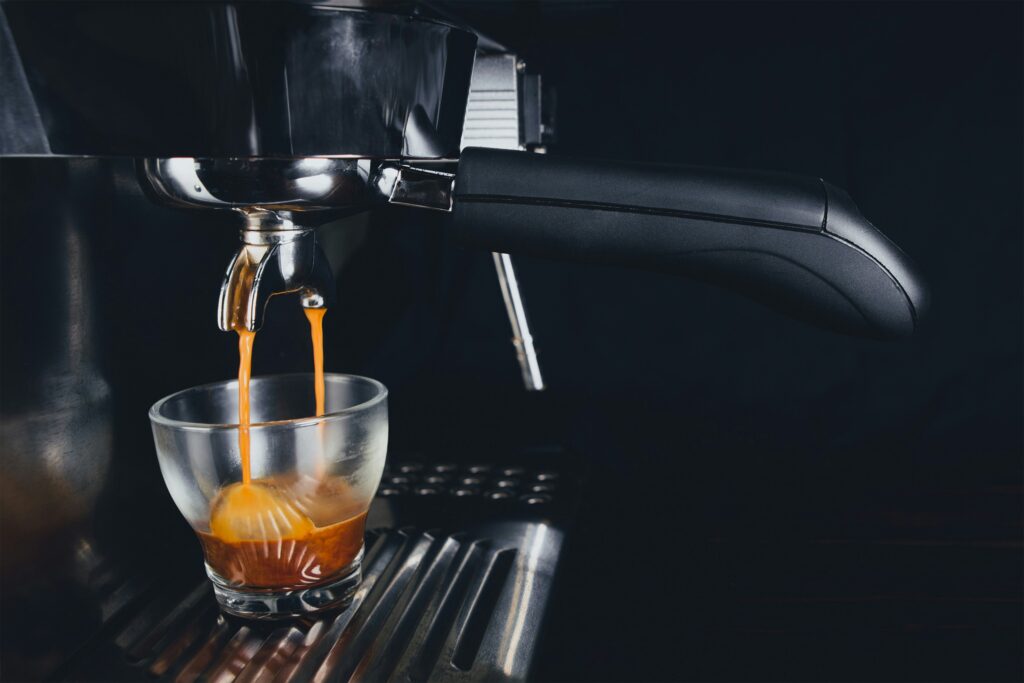
Espresso Machine
- Use fine grind and 18-20g of coffee.
- Tamp the grounds evenly.
- Pull a 25-30 second shot.
Taste Profile: Intense and rich.
Instant Coffee (For Emergencies)
- Add 1-2 teaspoons of coffee to a cup.
- Pour in hot water (~90°C).
- Stir and enjoy.
Taste Profile: Quick and convenient, not gourmet.
Cold Coffee: How to Make It at Home
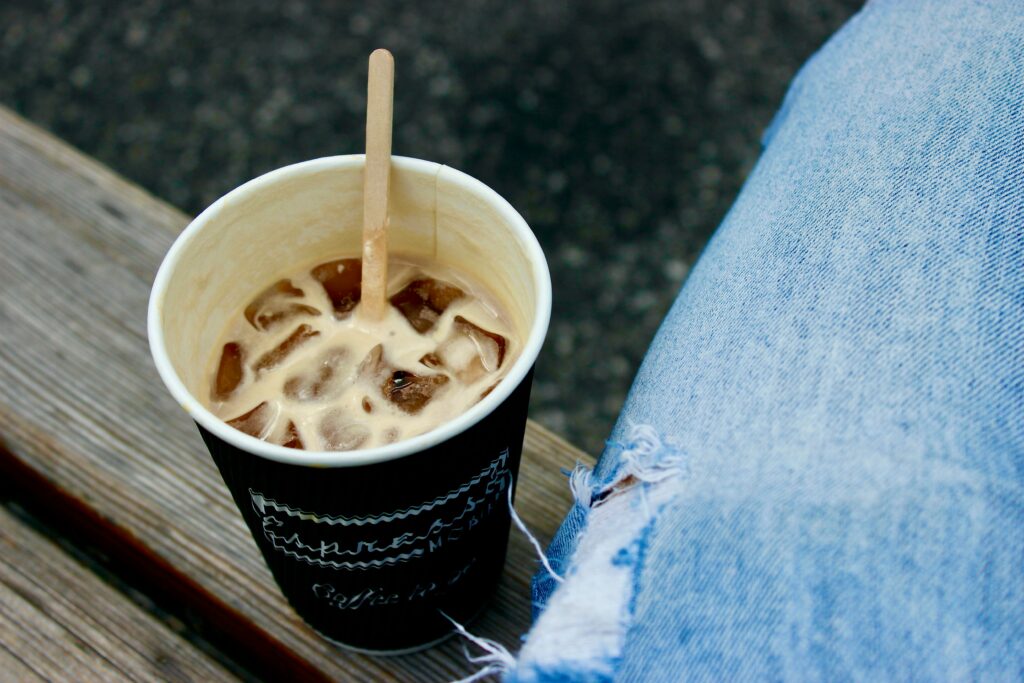
When it’s hot out, cold coffee is more than just a refreshing drink—it’s a total game-changer. Whether you’re trying to beat the summer heat, need a chilled caffeine boost during an afternoon slump, or simply prefer a smoother, less acidic taste, cold coffee has something special to offer.
Cold Brew
- Use coarse grounds and cold water in a 1:8 ratio.
- Steep in the fridge for 12–16 hours.
- Strain and serve over ice.
Taste: Smooth and low-acid.
Iced Coffee
- Brew coffee double strength.
- Let it cool or pour directly over ice.
- Add milk or syrup if desired.
Frappé (Blended Coffee)
- Brew strong coffee or espresso.
- Blend with ice, milk, and sugar.
Tips to Make Your Coffee Taste Better
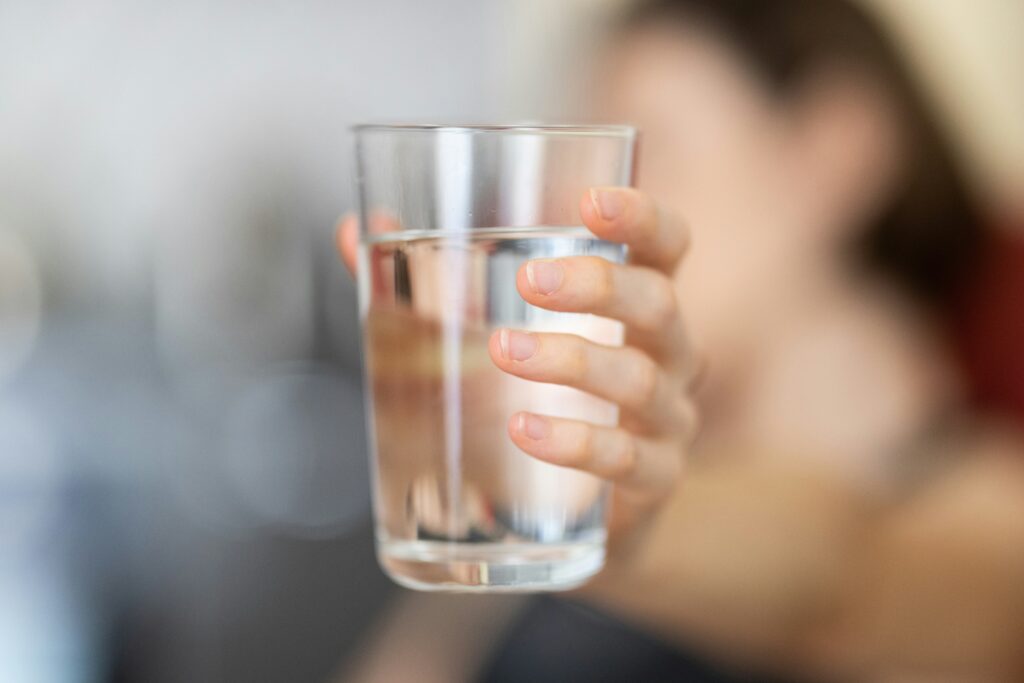
Use Filtered Water
The cleaner your water, the better your coffee—it’s that simple. Since coffee is about 98% water, the quality of what you’re brewing with makes a huge difference.
Master the Coffee-to-Water Ratio
Too little coffee = weak. Too much = bitter. Start with 1:15 and adjust.
Use the Right Grind Size
Each brewing method needs a different grind:
- Coarse: French Press
- Medium: Pour Over
- Fine: Espresso or AeroPress
Control Temperature
The ideal water temperature for brewing coffee is between 90°C to 96°C (195°F to 205°F). Staying within this range is crucial because it allows for proper extraction of the coffee’s flavors without scorching the grounds. Pouring boiling water (100°C or 212°F) directly over your coffee can burn the beans, resulting in a bitter, overly harsh cup that lacks nuance. On the flip side, water that’s too cool may under-extract the coffee, leaving it weak and sour.
Pre-wet Filters
It removes the paper taste and warms your brewing equipment.
Clean Your Gear
Old coffee oils can ruin a fresh brew.
Mistakes to Avoid When Learning How to Make Coffee
- Using boiling water – burns the grounds and tastes bitter.
- Wrong grind size – ruins extraction.
- Ignoring freshness – stale beans kill flavor.
- Skipping bloom time – leads to uneven extraction.
- Inconsistent measurements – use a scale for best results.
Coffee Recipes You Can Try at Home
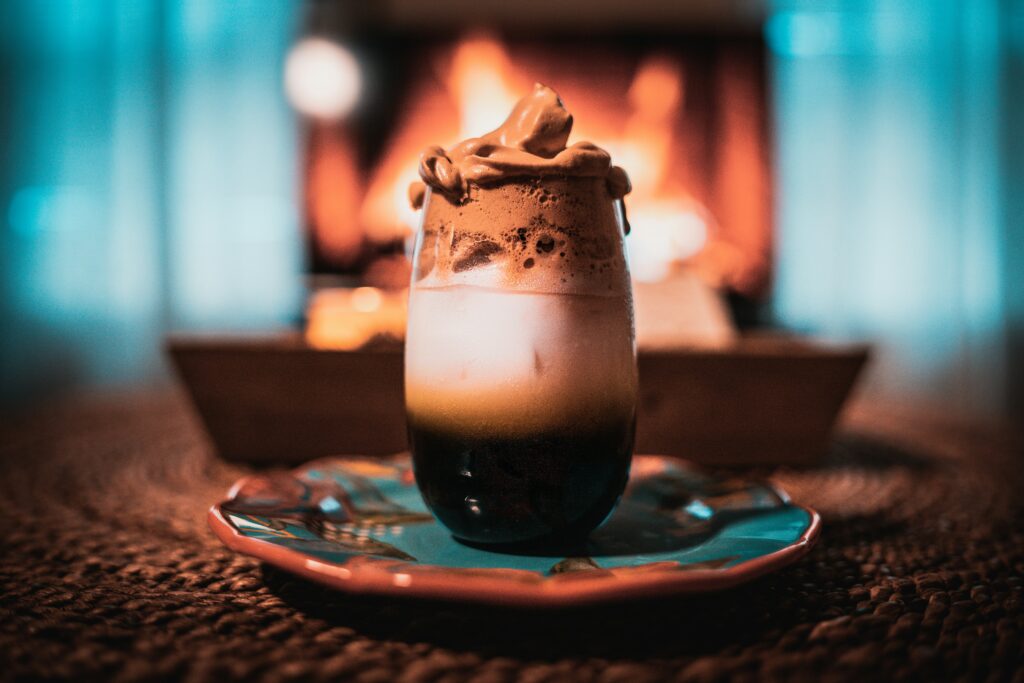
Dalgona Coffee
- 2 tbsp instant coffee
- 2 tbsp sugar
- 2 tbsp hot water
Whip until fluffy and serve over milk and ice.
Vanilla Iced Latte
- Brewed espresso
- Ice
- Vanilla syrup
- Milk of choice
Shake and serve chilled.
Mocha
- Brewed coffee
- Cocoa powder
- Sugar
- Milk
Heat together and stir well.
Frequently Asked Questions About Making Coffee
Can I reuse coffee grounds?
You can technically reuse coffee grounds, but it’s not something we recommend if you’re aiming for a flavorful cup. Once coffee has been brewed, most of its essential oils and soluble flavors have already been extracted. What’s left behind are bitter compounds and spent grounds that produce a weak, flat, and often unpleasant-tasting brew. Reusing grounds might seem like a way to save money or reduce waste, but the result usually isn’t worth it—especially if you enjoy a rich, balanced cup.
How much caffeine is in coffee?
- Espresso shot: ~63mg
- 8oz brewed coffee: 80–120mg
- Instant: 30–90mg
Is it better to grind coffee fresh?
Absolutely. Pre-ground coffee loses flavor within days.
What’s the easiest method for beginners?
French Press or Pour Over.
Final Thoughts: Why You Should Learn How to Make Coffee at Home
If you’ve made it this far, then congratulations—you’re already well on your way to becoming your own favorite barista. By now, you’ve probably realized that learning how to make coffee at home is so much more than just pouring hot water over some grounds. It’s a personal ritual. It’s a few quiet minutes in the morning that belong only to you. It’s the satisfaction of creating something delicious with your own hands, using nothing more than good beans, clean water, and a bit of patience.
Curious About the Best Beans? Rage vs Blue Tokai – A Brew Battle Worth Reading
Now that you’ve mastered making the perfect cup of coffee, it’s time to level up your brew with the right beans. In this post, we dive deep into a head-to-head comparison of two of India’s most beloved coffee brands: Rage Coffee and Blue Tokai. Discover their flavor profiles, roast quality, pricing, and which one might just become your go-to choice.
Support Sustainable Coffee
Learning how to make coffee is great—but knowing where your coffee comes from is even better. Try to:
- Buy from local roasters
- Choose fair-trade beans
- Support eco-friendly packaging.